
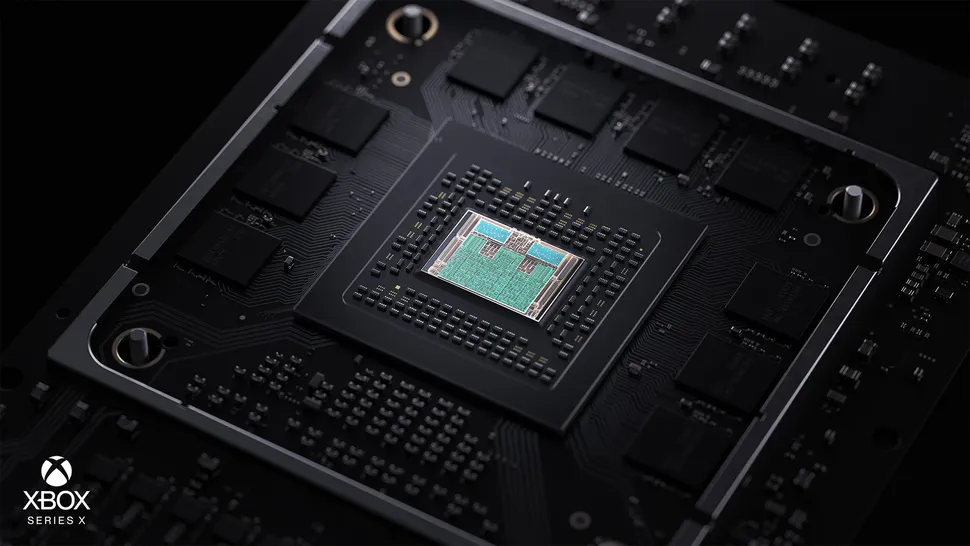
Microsoft’s plan to combine Xbox console gaming with the openness of PC is facing new questions as development continues on Project Helix.
In a new analysis, Windows Central executive editor Jez Corden argues that allowing unrestricted access to Steam could make Microsoft’s next Xbox considerably more difficult to price as a traditional console.
Microsoft has officially confirmed that Project Helix is its next-generation first-party Xbox console. The system is being developed with a custom AMD processor and is designed to play both Xbox console and PC games.
However, Microsoft has not specifically confirmed that players will be able to install Steam directly on the console.
Traditional consoles are commonly sold at narrow margins or sometimes at an initial loss. Platform holders can recover that money when customers purchase games, subscriptions and additional content through their digital stores.
That financial model becomes harder to maintain when players can purchase most of their games through a competing storefront.
Corden argues that a fully open Project Helix could effectively become a high-end gaming PC carrying Xbox branding. Microsoft might then need to earn more money directly from the hardware because it could no longer depend on every owner buying games through the Xbox Store.
Windows Central also points to reported purchasing behavior from owners of Xbox-branded Windows handhelds.
According to internal information reviewed by the publication, many existing Xbox customers continued using Game Pass and the Xbox PC ecosystem. New users without an existing Xbox connection were reportedly far more likely to purchase their games through Steam.
That creates a difficult strategic question for Microsoft. Project Helix could attract PC players by supporting their existing libraries, but those same customers may contribute little additional software revenue to Xbox.
Corden outlines several ways Microsoft could approach the problem.
One possibility would be offering a lower-priced version focused on the Xbox ecosystem and a more expensive model with wider PC storefront access.
Another possibility would involve selected partnerships with companies such as Epic Games, GOG, Battle.net or Ubisoft rather than allowing completely unrestricted access to every Windows store.
Microsoft could also release Project Helix as a fully open Windows-based device, although that approach would likely result in a price closer to premium gaming PCs than traditional consoles.
Xbox has already confirmed that the console will support PC games and that its wider Windows gaming strategy embraces access to games from other leading storefronts.
That does not necessarily guarantee that every PC store will be available directly on Project Helix at launch.
Microsoft has also said that Project Helix remains in active development, with early hardware planned for developers beginning in 2027. Further information about the console will be shared before its final release.
For now, Windows Central’s argument should be treated as analysis of the challenges facing Microsoft rather than confirmation that Steam support has been cancelled or removed.
The central question remains unresolved: can Microsoft offer the openness of a gaming PC while preserving the simpler pricing and business model expected from an Xbox console?






No comments yet
Be the first person to share a thought about this story.