
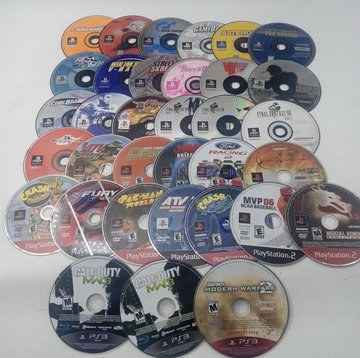
A post attributed to Anonymous has criticized Sony’s decision to end physical-disc production for new PlayStation games beginning in 2028.
The comments were shared by Pirat Nation and focused on concerns surrounding game ownership, consumer choice and the long-term preservation of digital releases.
Sony Interactive Entertainment officially announced on July 1 that physical discs will no longer be produced for new games released on PlayStation consoles starting in January 2028.
After the cutoff, new PlayStation releases will be distributed through the PlayStation Store and other retailers in digital formats only.
The change will not remove existing physical games from circulation.
Titles released on disc before January 2028 will remain playable, and Sony has clarified that publishers may continue ordering additional copies of games that already received a physical release before the deadline.
However, games launching for the first time after the cutoff will not receive traditional PlayStation disc editions.
Sony said the decision reflects changing consumer habits and the gaming industry’s broader movement toward digital distribution.
Digital downloads represented approximately 80 percent of PlayStation’s full-game unit sales during Sony’s fiscal year ending in March 2026.
Supporters of digital distribution often point to its convenience, faster access, reduced manufacturing costs and the ability to purchase games without visiting a physical retailer.
Critics argue that digital purchases provide fewer ownership protections than physical media.
A disc can usually be resold, loaned to another person, traded or preserved independently of a digital storefront.
Digital games are instead connected to user accounts, licensing systems and online services controlled by platform holders and publishers.
That creates concerns about what happens when a licence expires, a storefront closes or a publisher removes a game from sale.
The reported Anonymous statement argued that digital purchases do not offer the same level of ownership as physical copies.
It also warned that ending discs could make preservation more difficult by removing one of the few methods players and collectors have for maintaining independent copies of console games.
These concerns have grown following several incidents in which digital entertainment purchases became inaccessible because licensing agreements expired.
Game-preservation advocates say that even when companies allow previously purchased content to remain downloadable, wording such as “for the foreseeable future” does not provide a permanent guarantee.
Physical releases also support a wider retail ecosystem involving independent game stores, used-game sellers, collectors and libraries.
Once a console platform becomes entirely digital, the platform holder gains greater control over pricing, availability and access.
Players may no longer be able to find a cheaper used copy, trade a completed game or lend it to a friend.
Sony has said customers will still be able to purchase digital game codes through retailers after 2028, meaning the PlayStation Store will not necessarily be the only place where a transaction can occur.
However, those retail purchases will still provide digital licences rather than physical copies of the games.
Sony’s announcement does not confirm whether its next PlayStation console will include a disc drive.
The company has only confirmed that production of physical discs for new releases will end.
The decision has already generated criticism from collectors, preservation groups and players who prefer having both physical and digital purchasing options.
A planned PlayStation blackout campaign has also encouraged users to avoid PlayStation Network activity and PlayStation Store purchases for one week in August as a protest against the company’s direction.
It remains unclear whether Sony would reconsider the decision in response to public pressure.
For now, January 2028 remains the official cutoff for new physical PlayStation game releases.
The criticism attributed to Anonymous reflects a broader debate that is likely to continue as the console industry moves closer to an all-digital future.






No comments yet
Be the first person to share a thought about this story.